

Comprehensive Eye Exams in North Charleston
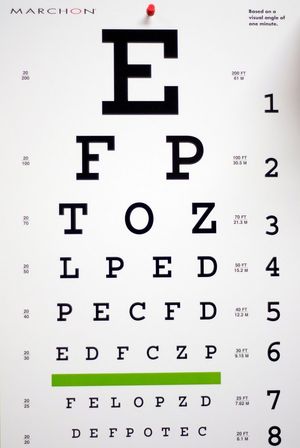
Routine comprehensive eye exams are essential for maintaining clear vision and healthy eyes, no matter your age or visual needs. These exams go beyond checking your prescription for glasses or contact lenses—they help detect early signs of eye diseases and overall health conditions like diabetes, high blood pressure, and more.
At Lesslie Vision Care, we take a personalized approach to eye health, ensuring every patient receives a thorough evaluation tailored to their age, lifestyle, and medical history.

What to Expect During an Eye Exam
A comprehensive eye exam includes:
- Vision assessment to determine if you need prescription eyewear.
- Eye health screening for common conditions like glaucoma, cataracts, and macular degeneration.
- Binocular vision testing to check how well your eyes work together.
- Pupil dilation (when necessary) for a clearer view of the retina.
If you wear or are considering contact lenses, your exam will include a contact lens fitting to ensure the best possible comfort and vision correction.
Eye Exams for Children: How Can I Tell If My Child Needs Glasses?
Children’s vision plays a critical role in their learning and development, yet many vision issues go undetected. Your child may need an eye exam if they:
- Squint often or sit too close to screens.
- Complain of frequent headaches or eye strain.
- Struggle with reading, focusing, or following along in class.
- Have difficulty recognizing distant objects.
Regular eye exams can identify potential vision concerns early, ensuring children get the support they need to succeed in school and daily activities.
Why Eye Exams Are Important for Adults
Even if your vision seems fine, routine eye exams are crucial for preventing future vision problems. Many eye diseases develop without symptoms, and early detection is key to effective treatment.
Ages 18-39: Every two to three years, unless vision changes occur.
Ages 40-60: Every one to two years to monitor for presbyopia, cataracts, and early macular degeneration.
Ages 60+: Annual exams are recommended due to the increased risk of age-related eye conditions.

Dilation & Vision Changes: What You Need to Know
Dilation helps optometrists get a full view of the retina, detecting early signs of eye disease.
While it can cause temporary light sensitivity and blurry vision, most patients can still drive afterward. If you’re concerned, consider bringing a driver or wearing the provided sunglasses to reduce discomfort.
Vision and Road Safety
Good vision is essential for safe driving, helping you react quickly to changing conditions. Blurred vision, reduced depth perception, or night glare can all increase accident risk. Regular eye exams ensure your vision meets driving requirements, keeping you and others safe on the road.
Book Your Next Eye Exam at Lesslie Vision Care
Routine eye care is the best way to protect your vision for life. Whether you need a glasses prescription update, a contact lens fitting, or a complete eye health check, our team is here to help.